


Image to Text Converter: Extract Text from Any Photo
Stop retyping receipts, notes & screenshots. Learn the OCR workflow to extract accurate text from any photo—plus fixes when results are messy.


Why copying text from images is still a pain (and why you need an Image to Text Extractor)
You’ve probably done this.
You take a photo of a whiteboard after a meeting. Or you screenshot a slide. Or you have a receipt you need to submit. Or someone sends you an image of an address, a tracking number, a WiFi password, whatever.
And all you want is the text.
Not the picture. Not a zoomed in, squinty version of it. Just the text, so you can paste it into an email, a spreadsheet, a notes app, a form. But then you realize… you can’t select anything. Copy and paste does nothing because it’s an image. So now you’re stuck retyping.
Retyping is slow. It’s also the kind of slow that feels extra annoying because it’s not hard work. It’s just… mechanical. Plus accuracy matters. One wrong digit in an invoice number. One missed character in an ID. One typo in a code snippet from a screenshot. Suddenly you’re wasting time again.
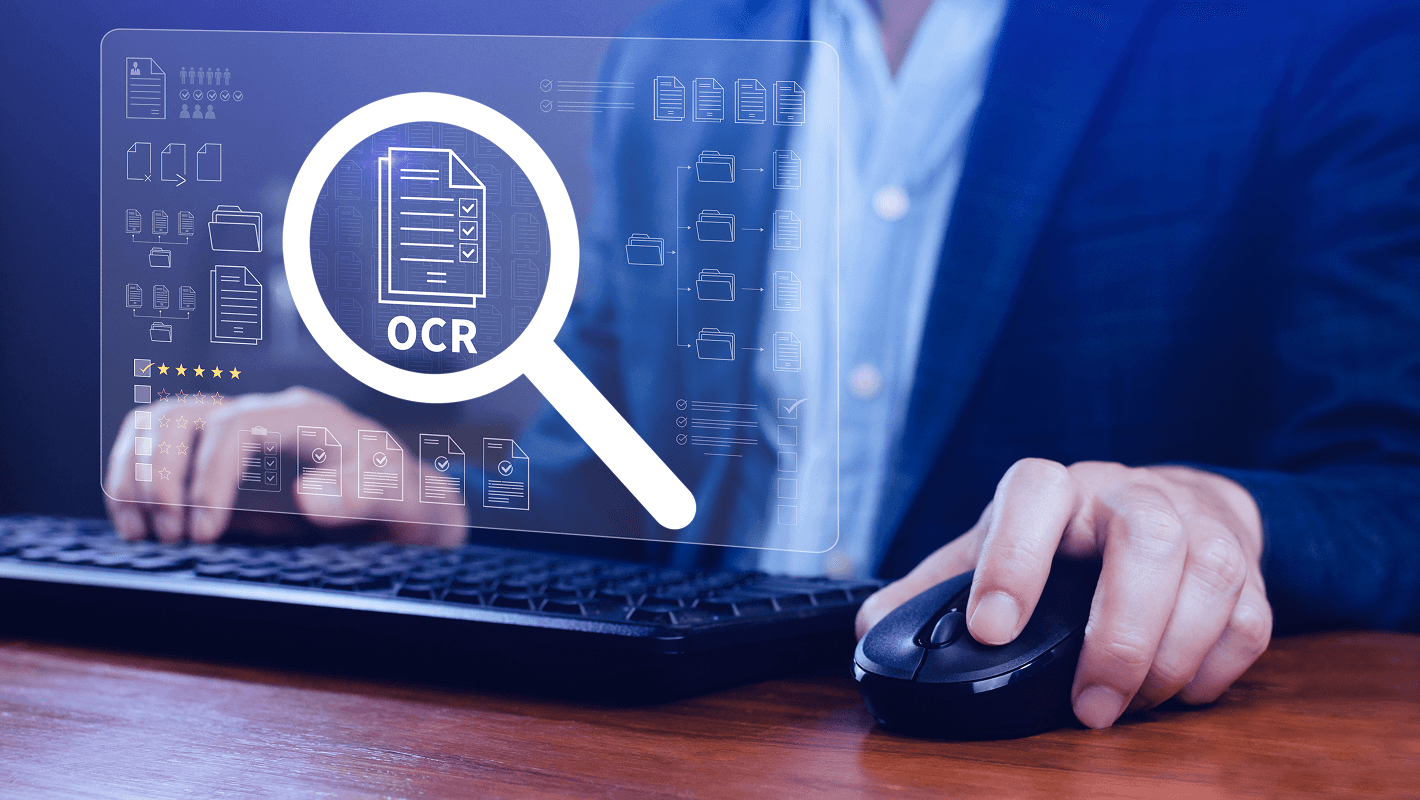
An Image to Text Extractor is the fix. In one line: it uses OCR to turn the pixels in a photo into selectable, copyable text.
In this article, I’ll cover what an image to text extractor is, how it works (non geeky), the best real life use cases, a workflow that actually works, how to get higher accuracy, when you should OCR a PDF instead, and when video to text is the better move.
What is an Image to Text Extractor (OCR), exactly?
OCR stands for Optical Character Recognition.
In plain English, OCR is what reads text inside an image and converts it into real text. So instead of a photo that merely looks like words, you end up with words you can highlight, copy, search, and edit.
Most “image to text” tools are basically:
- OCR (the core recognition)
- Cleanup (fixing spacing, correcting obvious errors, and sometimes rebuilding the layout)
Inputs can be:
- JPG / PNG photos
- screenshots
- scanned documents
- image based PDFs (where the “text” is just a scan)
Outputs can be:
- plain text you copy to clipboard
- TXT, DOCX, Google Docs
- searchable PDF (you keep the scanned look but can search and select text)
Common modes you’ll see:
- Printed text vs handwritten text (handwriting is harder)
- Single image vs batch OCR (multiple pages)
- Multi language OCR (English plus another language, sometimes in the same doc)
Accuracy baseline, realistically. It depends. On image quality, font, language, lighting, and layout. A clean screenshot can be near perfect. A dim photo of cursive handwriting on a crumpled receipt… yeah.
How image to text extraction works (quick, non geeky breakdown)
Even the best OCR tools follow a pretty similar pipeline. The reason this matters is it explains why your results are sometimes magical and sometimes a mess.
Step 1: Pre processing
The tool tries to make your image easier to read:
- straightens it (deskew)
- removes noise and grain (denoise)
- improves contrast
- resizes it so letters aren’t too tiny
Step 2: Text detection
It finds where the text is. Like literally drawing invisible boxes around lines, paragraphs, labels, columns.
Step 3: Character recognition
Now it recognizes the letters and words inside those regions. This is the core OCR moment.
Step 4: Post processing
This is the cleanup:
- spellcheck and dictionary help
- language model guesses likely words
- it tries to rebuild formatting and layout (sometimes)
Why tools fail, usually:
- low resolution photos
- motion blur
- harsh shadows
- glossy glare
- stylized fonts
- mixed languages in one block
- weird backgrounds like textured paper
That’s the whole game. Give OCR a clean image and it looks smart. Give it chaos and it guesses.
Best real world use cases (where an Image to Text Extractor saves hours)
This is where OCR stops being a “nice feature” and becomes a daily shortcut.
Students
- convert textbook pages into notes
- grab lecture slide text from screenshots
- pull definitions from a photo instead of retyping
- make study material searchable
Work and admin
- receipts, invoices, shipping labels
- scanned forms
- building a searchable archive (huge for audits or reimbursements)
Content creators
- pull quotes from images shared on social media
- convert infographics into a rough draft you can rewrite
- extract captions or headlines from screenshots
Travel
- menus, signs, printed instructions
- multilingual OCR can help you copy the text into a translator app instead of manually typing
Developers and IT
- error messages in screenshots
- text from UI screenshots
- printed serial numbers or labels
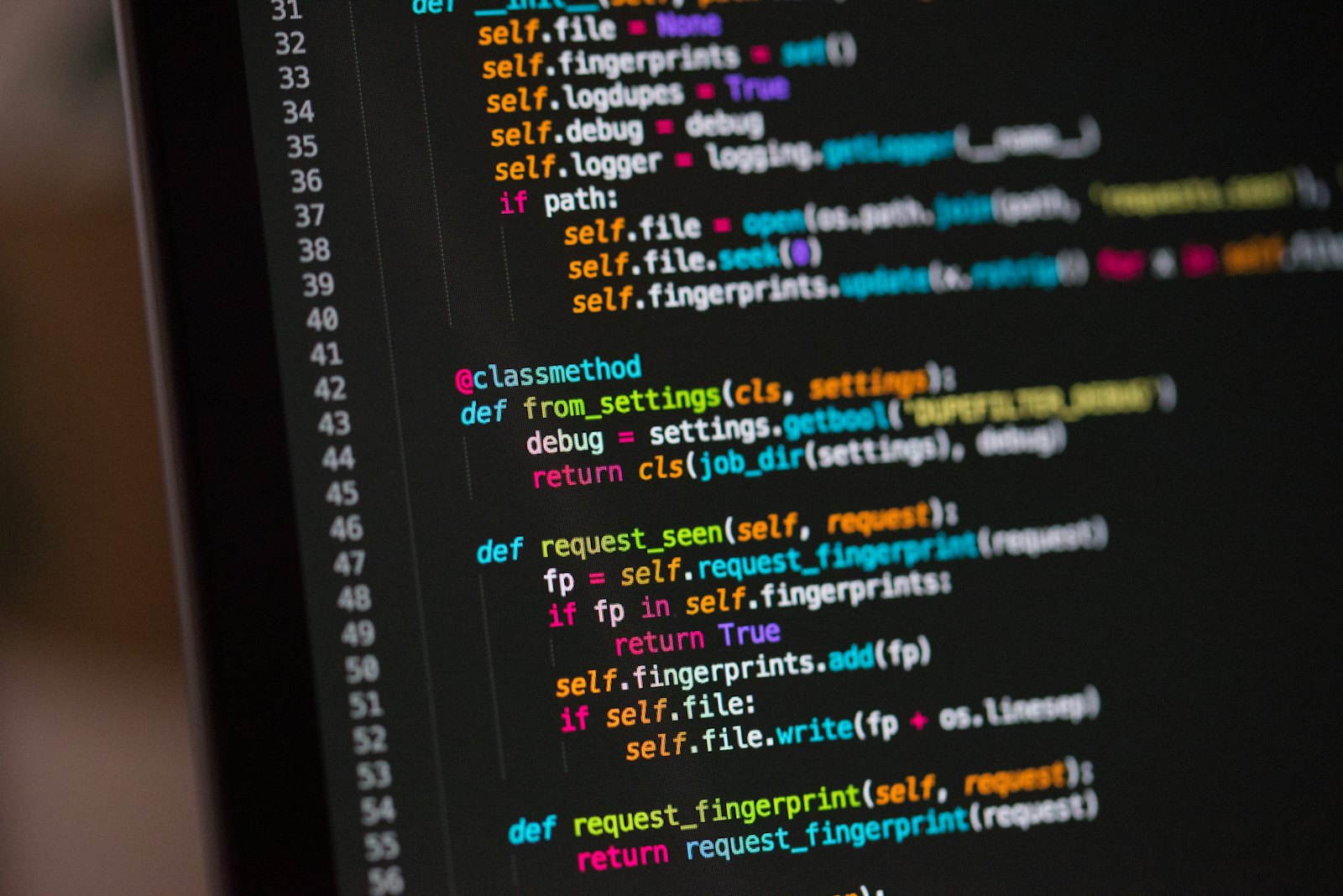
- logs someone pasted as an image (yes people do this)

Step by step: How to copy text from any photo (the workflow that actually works)
There are countless tools, but the workflow remains consistent.
1) Choose your extractor
Pick based on where you are and what you need:
- Browser tool: fast, no install required. Suitable for quick jobs. For example, image to text extractor lets you upload an image in the browser and instantly extract copyable text, which works well for screenshots or simple scanned pages. The tradeoff is privacy when handling sensitive documents.
- Mobile app: great for capturing paper docs on the spot.
- Desktop OCR: better for batches, better control.
- Built in OS features: often the quickest for screenshots and everyday stuff.
If you’re on an iPhone, Live Text can copy from photos directly in the Photos app or camera view. On Android, Google Lens does a similar job. On Windows, PowerToys Text Extractor can be handy. On macOS, Live Text also works in Preview and Photos depending on version.
2) Upload or capture the image (photo tips that matter)
If you’re taking a photo of paper:
- keep it flat
- fill the frame with the text
- tap to focus
- use good lighting, avoid glare
- don’t shoot at a weird angle unless you have to
3) Run extraction and review
Do a quick scan for common OCR mistakes:
- 1 vs I vs l
- 0 vs O
- rn vs m
- missing punctuation
- broken words at line endings
4) Copy or export
Most tools let you:
- copy to clipboard
- export TXT / DOCX
- send to Google Docs
- export searchable PDF
5) Formatting: keep it or go plain text?
Rule of thumb:
- If you need speed and you’re going to edit anyway, export plain text.
- If layout matters (forms, headings, paragraphs), try DOCX or searchable PDF. But expect you may need to fix spacing.
Our Pick:
.png)
ImageToText.me is a simple web-based OCR utility that extracts text from uploaded images without requiring installation or sign-in. Users upload a picture, the service processes it in the browser or on the server, and returns selectable, copyable text. It is useful for quick one-off conversions of screenshots, scanned notes, or graphics where you need the text out fast. Accuracy is suitable for clean, high-contrast images, but it lacks advanced features like batch processing, structured output, or deep language support.
How to get higher OCR accuracy (most people skip these simple fixes)
This section is basically free time savings.
Image quality checklist
- Resolution: 1080p and above helps because letters have more pixel detail.
- Focus: blur destroys character edges, and OCR lives on edges.
- Contrast: dark text on light background is easiest.
Lighting and glare
Glossy paper is a trap. Receipts are the worst.
Try:
- natural light from the side
- tilt the paper slightly to remove reflections
- avoid direct overhead light if it creates hotspots
Multi column and layout tips
Two column documents often confuse tools.
Fix:
- crop one column at a time and OCR in pieces
- export plain text, then reformat manually (it sounds annoying but it’s faster than fighting broken layout)
Language and special characters
If the tool lets you set a language, do it. Seriously. Accents, currency symbols, math symbols, and non English words improve a lot when the correct language pack is selected.
Privacy tip
If you’re using an online OCR site, don’t upload sensitive stuff without thinking. Redact first, or use an offline tool. Even just scribbling over a section in a markup editor is better than uploading full IDs, addresses, or bank details.
Image to Text vs PDF OCR vs Screenshot text: which one should you use?
People lump these together, but the best choice depends on what you start with.
Photos
- quality varies a lot
- needs cleanup
- best for quick capture of real world text
Scanned PDFs
- often consistent pages, consistent lighting
- best for turning into searchable or editable documents
- if you already have a PDF scan, OCR the PDF directly instead of converting pages to images manually
Screenshots
- usually the cleanest input
- best accuracy
- easiest for code, error messages, UI text
Decision rule I use:
- If you can screenshot, do it.
- If it’s paper, scan or photo it carefully.
- If it’s a PDF scan, OCR the PDF.
When “Video to Text” is the better tool (and how it connects to image to text)
This trips people up.
Most of the time video to text means speech to text. Transcription. It listens to audio and produces text.
OCR is different. OCR reads what’s visible on screen, which is where AI image and video enhancer tools come into play.
So:
- If the information is spoken, you want transcription.
- If the information is shown (slides, subtitles, whiteboard), you want OCR, usually by grabbing frames or screenshots.
Use cases for video to text (speech transcription):
- meetings
- lectures
- interviews
- webinars
- YouTube videos
- voice notes
Use cases for OCR from video frames:
- subtitles burned into a video
- slides shown during a recording
- on screen steps in a tutorial
- a recorded demo with important UI text
Practical decision: spoken equals transcription. displayed equals OCR.
A simple workflow: turn a recorded class (video) into clean notes using video to text + image to text
This combo is underrated. It’s how you get notes that are actually useful, not just a wall of transcript.
Step 1: Transcribe the video
Run video to text transcription to capture explanations, definitions, examples, the stuff the teacher says that is not on the slides.
Step 2: Grab key frames
Take screenshots when:
- a slide summarizes key points
- the whiteboard has a formula or diagram
- there’s a list, a definition, a process
Step 3: OCR those screenshots
Use an image to text extractor on the frames to get:
- slide titles
- bullet points
- formulas (sometimes you need to correct these manually)
- keywords
Step 4: Merge
Combine:
- transcript summary (the why)
- OCR slide text (the what)
Now you’ve got structured notes instead of raw material.
Step 5: Final cleanup
Add:
- headings
- timestamps (optional but helpful)
- highlight definitions and key terms
- fix the obvious OCR errors
It’s not perfect, but it’s fast. And you end up with notes you can search later.
Common OCR mistakes (and quick ways to fix them fast)
If you OCR a lot, you start seeing the same errors over and over.
Character confusion
Classic ones:
- O vs 0
- I vs l vs 1
- S vs 5
- B vs 8
- rn vs m
Quick fix: use find and replace once you spot the pattern. Like replacing “0” with “O” in a word list where it’s clearly wrong.
Line breaks and hyphenation
OCR loves inserting random line breaks. And it often keeps hyphenated line endings like:
- “inter”
- “national”
Fix: if you’re in Google Docs or Word, use find and replace to remove hyphen + line break patterns. Sometimes you’ll do it manually in 30 seconds by scanning the doc and fixing the obvious ones.
Tables and forms
Tables break because OCR has to understand structure, not just text.
Workarounds:
- use a tool that supports table extraction and export to CSV or Excel
- if it’s a small table, it’s often faster to recreate it than to repair a destroyed one
- crop the table alone and try again, sometimes it improves
Mixed fonts and backgrounds
If text is on a dark background, try:
- increasing contrast
- converting to black and white
- inverting colors
- cropping tight around the text
Non Latin scripts
Choose the correct language pack and avoid mixing languages in one pass if you can. OCR gets confused when one line is English and the next is Japanese and then a random currency symbol.
Choosing the right Image to Text Extractor: what to look for (so you don’t waste time)
Most OCR tools look the same until you hit your specific use case and everything falls apart.
Here’s what I’d actually check.
Accuracy on your content type
Ask: what are you extracting most often?
- printed book pages
- handwriting
- receipts
- tables
- multi column PDFs
A tool can be amazing at printed text and terrible at receipts. Or decent at receipts but awful at handwriting. So test with a real example, not their demo image.
Language support and offline mode
Offline matters for privacy. Also, some tools claim multi language OCR but only handle basic Latin scripts well. If you need accents, Arabic, Hindi, Japanese, etc, check that explicitly.
Export options
Look for:
- copy to clipboard (obvious, but not all tools do it cleanly)
- DOCX / Google Docs export
- searchable PDF
- CSV export for tables (if you need it)
Speed and limits
Pay attention to:
- page limits per day
- file size limits
- batch processing
- watermarks on free plans
Security
For business docs, this is not optional. Check:
- local processing vs cloud upload
- whether they store your files
- retention policy
- compliance requirements if you’re dealing with client data
Wrap up: the fastest way to copy text from any photo (and when to use video to text)
The core takeaway is simple. Good input image + the right OCR tool = near instant copyable text.
If you want a rule of thumb checklist that works almost every time:
- screenshot if possible
- crop tight, straighten, and improve lighting
- set the correct language
- proofread the first 10 lines (you’ll catch the pattern of mistakes immediately)
And video to text fits in cleanly:
- spoken content equals transcription
- on screen text equals OCR
- combine both for the best notes, especially for classes and trainings
Next step: pick one tool you already have access to (phone Live Text, Google Lens, a desktop OCR app), test it with one photo today, and apply the accuracy fixes above. That’s it. Once you do it a couple times, retyping starts to feel kind of ridiculous.
FAQs (Frequently Asked Questions)
What is an Image to Text Extractor and how does OCR work?
An Image to Text Extractor uses Optical Character Recognition (OCR) technology to read and convert text inside images into selectable, copyable, and editable text. The process involves preprocessing the image to improve clarity, detecting text regions, recognizing characters, and post-processing to correct errors and rebuild layout.
Why is copying text from images often difficult without OCR?
Text in images cannot be selected or copied because it's part of the picture itself, not actual text data. Without OCR, you must manually retype the text, which is slow, prone to errors, and inefficient—especially for important details like invoice numbers or codes.
What types of images can be used as input for an Image to Text Extractor?
Inputs include JPG or PNG photos, screenshots, scanned documents, and image-based PDFs where the text is just a scan. These tools can handle printed or handwritten text, single images or batches, and sometimes multiple languages within the same document.
What factors affect the accuracy of OCR when extracting text from images?
Accuracy depends on image quality, font style, language complexity, lighting conditions, and layout. Clean screenshots yield near-perfect results, while dim photos of cursive handwriting on crumpled paper can lead to errors due to blur, shadows, glare, stylized fonts, or textured backgrounds.
What are common real-life use cases where Image to Text Extractors save time?
Students use it for converting textbook pages or lecture slides into notes; professionals extract data from receipts or invoices; content creators pull quotes from social media images; travelers translate menus or signs; developers capture error messages or serial numbers from screenshots—all saving hours of manual typing.
How do I effectively copy text from any photo using OCR tools?
Choose an extractor based on your needs: browser tools for quick access (note privacy concerns), mobile apps for on-the-spot scanning of documents, desktop OCR software for batch processing and better control, or built-in OS features for fast local extraction. Follow steps including capturing a clear image, running OCR with preprocessing enabled, reviewing output for accuracy, and exporting in your desired format.
.png)
.png)




.avif)
